
How Veterinary Chiropractors and Physical Therapists Help Pets

The Evolution of Specialized Animal Rehabilitation
Veterinary medicine has undergone a remarkable transformation over the past few decades. For a long time, treating an injured or aging pet meant relying primarily on traditional surgery, cage rest, and pharmaceutical pain management. While these interventions remain vital, they often fail to address the root mechanical causes of mobility issues or provide complete functional recovery. Today, a growing number of pet owners and veterinarians recognize that animal healing extends far beyond the traditional clinic exam room, paving the way for specialized rehabilitation disciplines.
Among the most impactful advancements in modern animal care are veterinary chiropractic care and animal physical therapy. These specialized modalities borrow proven physiological principles from human medicine and tailor them explicitly to the unique anatomy of dogs, cats, and horses. By addressing alignment, muscle strength, nerve communication, and joint flexibility, practitioners in these fields help animals recover from injuries, manage chronic pain, and regain active, joyful lives without relying solely on long-term medication.
Understanding Veterinary Chiropractic Care
Veterinary chiropractic care focuses primarily on the nervous system and the musculoskeletal structure that protects it, with a special emphasis on the spine and pelvic joints. Animals, much like humans, experience subluxations, which are minor misalignments or restrictions in the movement of spinal vertebrae and peripheral joints. These restrictions can place abnormal pressure on surrounding spinal nerves, disrupting the signals traveling from the brain to the rest of the body.
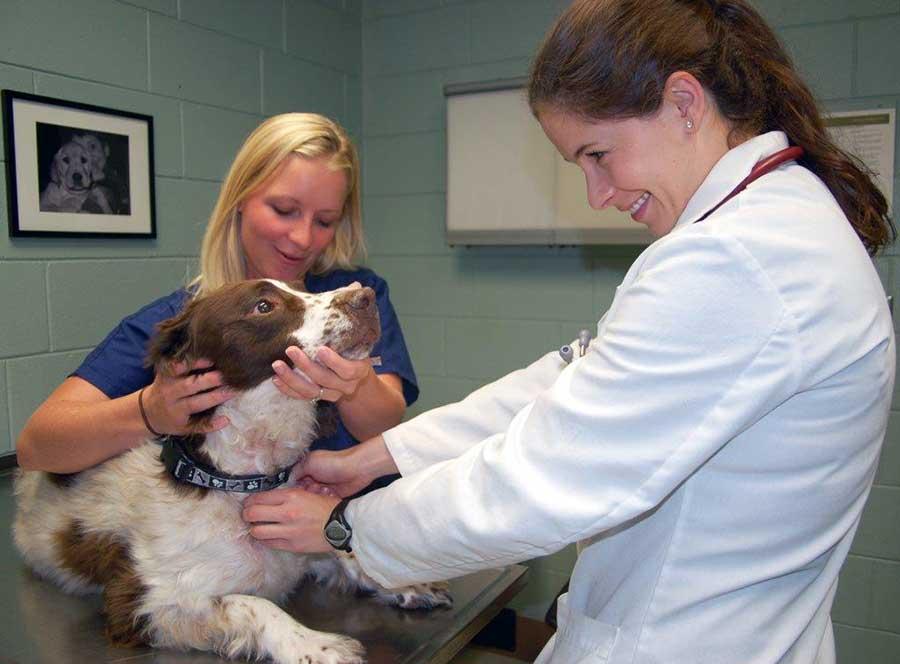
A certified animal chiropractor uses precise, gentle, high-velocity, and low-amplitude manual adjustments to restore normal mobility to restricted joints. When a vertebra is properly realigned, the localized inflammation subsides, muscle spasms release, and nerve communication is restored. While dogs and horses are the most common patients receiving chiropractic treatment, cats can also benefit tremendously from these gentle adjustments when experiencing spinal stiffness or mobility limitations.
Conditions Treated by Animal Chiropractors
Pet owners often seek out veterinary chiropractors when traditional treatments have hit a plateau or when an animal shows vague signs of discomfort that defy simple diagnosis. Common indicators that an animal might benefit from a chiropractic evaluation include:
-
Unexplained reluctance to jump onto furniture or climb stairs
-
Changes in gait, such as pacing or bunny-hopping with the hind legs
-
Asymmetrical muscle mass or uneven wear on toenails
-
Behavioral changes, such as irritability when being petted along the back or hips
-
Decreased performance in agility, working, or sporting dogs
-
Postural abnormalities, such as a roached back or a persistent head tilt
Chiropractic adjustments work synergistically with traditional veterinary care, enhancing recovery speeds after orthopedic surgeries and helping working animals maintain peak structural integrity under heavy physical loads.
The Core Principles of Animal Physical Therapy
While chiropractic care focuses heavily on spinal alignment and joint mobility, animal physical therapy addresses the muscular and functional aspects of movement. Certified canine and equine physical therapists utilize a vast array of evidence-based modalities to rebuild strength, improve endurance, and restore range of motion following trauma or neurological events.
Physical therapy is essential for post-surgical rehabilitation, particularly after complex procedures like cranial cruciate ligament repairs, total hip replacements, or spinal surgeries. Without structured rehabilitation, scar tissue can restrict movement, and disuse atrophy can cause permanent muscle loss. Physical therapists design custom exercise routines tailored to the specific biomechanical needs of the patient, ensuring safe and progressive recovery.
Modalities Used in Canine and Equine Physical Therapy
Modern animal rehabilitation centers resemble advanced human physical therapy clinics, equipped with specialized technology designed to accelerate healing. Some of the most effective modalities utilized by practitioners include:
-
Hydrotherapy: Underwater treadmills allow pets to exercise with reduced gravitational load, making it ideal for dogs recovering from joint surgery or managing severe arthritis. The buoyancy supports body weight while the water resistance builds muscle strength.
-
Laser Therapy: Low-level laser therapy, or photobiomodulation, uses specific wavelengths of light to stimulate cellular metabolism, reduce localized inflammation, and accelerate tissue repair in tendons, ligaments, and wounds.
-
Therapeutic Ultrasound: High-frequency sound waves penetrate deep into soft tissues, generating mild heat that increases blood circulation and breaks down dense scar tissue or fibrous adhesions.
-
Neuromuscular Electrical Stimulation: Targeted electrical currents stimulate motor nerves and muscle fibers, preventing rapid muscle atrophy in paralyzed or immobilized limbs while neurological pathways heal.
-
Active Therapeutic Exercises: Cavaletti rails, balance wobble boards, and resistance bands challenge proprioception, core stability, and neuromuscular coordination.
The Synergy Between Chiropractic Care and Physical Therapy
Although veterinary chiropractic care and physical therapy are distinct disciplines, they achieve the most remarkable results when used in tandem. A joint that is chronically misaligned and restricted cannot move through a proper range of motion, no matter how much strengthening exercise a physical therapist prescribes. Conversely, an adjusted joint will quickly fall back out of alignment if the surrounding stabilizing muscles remain weak and imbalanced.
By combining chiropractic adjustments to clear neurological pathways and restore joint biomechanics with targeted physical therapy to build muscular strength and flexibility, animals receive comprehensive care. This integrated approach ensures that structural corrections hold firm, reducing the recurrence of injury and maximizing the patient’s long-term functional capacity.
Supporting Aging Pets and Managing Chronic Pain
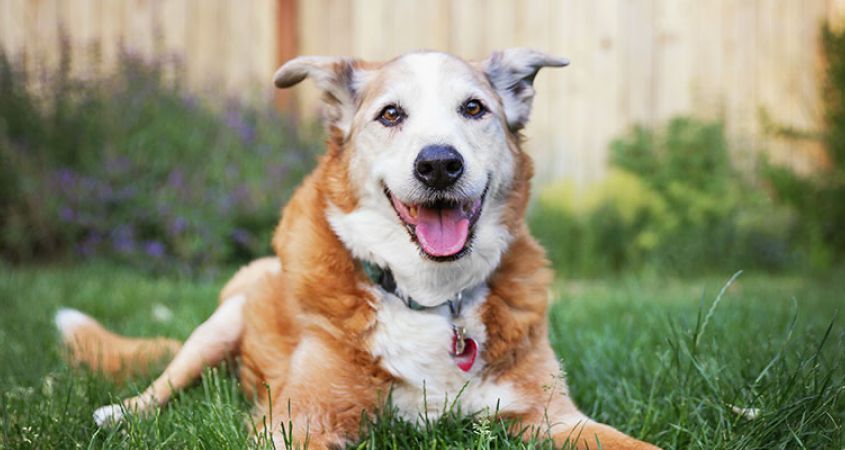
As companion animals age, degenerative joint disease and spinal arthritis become nearly universal challenges. Traditional pharmaceutical management often involves nonsteroidal anti-inflammatory drugs or opioids, which can carry long-term organ toxicity risks if used continuously without support. Rehabilitation disciplines offer a powerful non-pharmacological toolkit for pain management.
Through a combination of gentle joint mobilizations, therapeutic massages, laser therapy, and customized low-impact strengthening programs, physical therapists and chiropractors help senior pets maintain mobility and independence. This proactive management significantly reduces chronic pain, preserves muscle mass, and vastly improves the daily quality of life for aging dogs and cats.
The Importance of Certified Professionals
Because animal anatomy differs significantly from human anatomy, pet owners must ensure they seek care exclusively from appropriately credentialed professionals. Veterinarians who specialize in chiropractic care typically complete rigorous post-doctoral certification programs through organizations such as the International Veterinary Chiropractic Association or the American Veterinary Chiropractic Association. Similarly, animal physical therapists are usually licensed veterinarians or registered veterinary technicians who have obtained specialized certifications in canine or equine rehabilitation.
Working with certified practitioners guarantees that treatments are safe, anatomically correct, and tailored to the specific pathology of the animal. An untrained individual attempting joint manipulations or aggressive therapy can easily cause severe secondary injuries, emphasizing the necessity of professional expertise in animal rehabilitation.
Frequently Asked Questions
Is veterinary chiropractic care painful for animals?
No, chiropractic adjustments should not be painful. Certified animal chiropractors use controlled, low-amplitude, high-velocity techniques that target specific joints. Most animals relax visibly during treatments as pressure and muscle spasms are released, though they may experience mild, temporary muscle soreness similar to what humans feel after starting a new exercise regimen.
How soon after surgery can a pet start physical therapy?
Many post-surgical rehabilitation programs begin within days of the procedure, often starting with gentle passive range of motion exercises, cold compression therapy, or low-level laser therapy to manage swelling and pain. Active exercises like hydrotherapy are introduced gradually as surgical incisions heal and the veterinarian clears the patient for increased activity.
Can cats benefit from physical therapy just as much as dogs?
While dogs are the most frequent patients in physical therapy clinics due to their participation in sports and willingness to use underwater treadmills, cats can benefit greatly from targeted rehabilitation. Feline rehabilitation often focuses on laser therapy, passive stretching, home-based environmental modifications, and gentle exercises tailored to feline behavior.
How do I know if my pet is in pain and needs rehabilitation?
Animals are masters at masking discomfort. Subtle signs of chronic pain include reluctance to jump, hesitation before going up or down stairs, changes in posture when standing, licking at a specific joint, uncharacteristic behavioral withdrawal, or a decrease in stamina during routine daily walks.
Will pet insurance cover veterinary chiropractic and physical therapy services?
Many modern pet insurance providers offer coverage for alternative therapies, chiropractic care, and physical rehabilitation, provided the services are performed by licensed veterinarians or certified practitioners and are deemed medically necessary for an injury or condition. Policyholders should review their specific insurance documents to confirm coverage details.
Can physical therapy help paralyzed dogs walk again?
Depending on the underlying cause and severity of the spinal injury, physical therapy can play a massive role in neurological recovery. Modalities like electrical stimulation, acupuncture, and supported walking exercises help stimulate remaining neural pathways, maintain muscle tone, and encourage neuroplasticity, allowing some paralyzed pets to regain partial or full mobility.