
How Small Daily Interactions Shape a Dog’s Trust and Behaviour Over Time
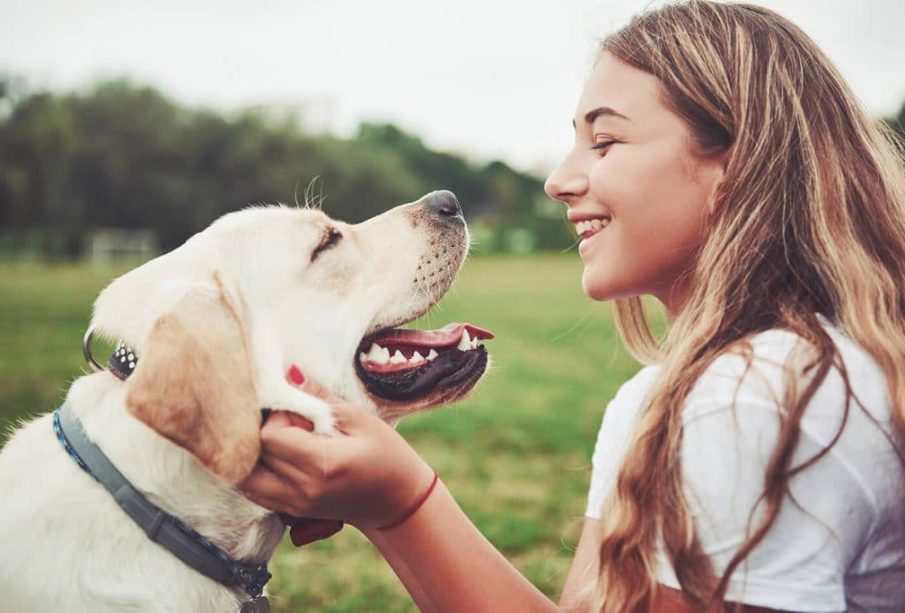
Trust between a dog and its owner is rarely built through big moments. It forms quietly, through repeated, everyday interactions that may seem insignificant at the time. The tone of a voice, the timing of attention, and the consistency of responses all influence how a dog understands the world and the people within it. Over time, these small moments shape behaviour far more deeply than isolated training sessions or occasional corrections.
Dogs are highly observant animals. They learn patterns quickly and respond to what feels predictable and safe. When daily interactions follow a consistent rhythm, dogs develop confidence in their environment. When those interactions are erratic or emotionally charged, uncertainty often follows.
Trust grows through predictability, not control
Many behaviour issues stem from a lack of predictability rather than disobedience. Dogs feel most secure when they can anticipate outcomes. This does not mean rigid schedules or constant supervision, but rather a stable emotional environment.
For example, a dog that knows what to expect when approaching its owner is less likely to act out. Calm greetings, steady routines, and clear boundaries help dogs understand where they stand. Over time, this predictability becomes trust.
Attempts to control behaviour through sudden reactions or inconsistent rules often undermine this trust. Dogs respond best when they feel guided rather than managed.
The emotional weight of everyday moments
Every interaction carries emotional weight, even if it lasts only a few seconds. Eye contact, body language, and timing all send signals to a dog. A distracted response can feel very different from a calm acknowledgment, even if the words spoken are the same.
Dogs are particularly sensitive to emotional tone. They notice tension, frustration, and impatience, often before humans are aware of it themselves. When these emotions appear frequently in daily interactions, dogs may become anxious or uncertain.
By contrast, small moments of calm attention build reassurance. Over time, dogs learn that their environment is emotionally safe, which directly influences behaviour.
How routine interactions reinforce behaviour
Behaviour is shaped through repetition. Dogs learn not from what happens occasionally, but from what happens most of the time. If a behaviour is consistently rewarded or acknowledged, it becomes part of the dog’s pattern.
These rewards do not always need to be formal. A brief pat, verbal praise, or a familiar gesture can reinforce behaviour just as effectively as structured training. In some households, Dog treats are simply one of many tools used casually within daily routines, rather than a central training mechanism.
What matters most is consistency. When the same response follows the same behaviour, dogs learn quickly and confidently.
Why mixed signals create confusion
One of the most common challenges in dog ownership is mixed messaging. A behaviour that is encouraged one day and discouraged the next creates uncertainty. Dogs do not understand exceptions unless they are clearly defined.
This inconsistency often arises unintentionally. Different family members may respond differently to the same behaviour. Timing may vary depending on mood or circumstance. Over time, the dog learns that outcomes are unpredictable.
Reducing mixed signals requires awareness more than effort. When households align on basic responses and expectations, dogs settle more easily into reliable behaviour patterns.
Trust is built during low-stakes interactions
High-stress situations tend to reveal trust rather than create it. The real work happens during low-stakes moments, quiet times when nothing important seems to be happening.
Simple routines such as feeding, walking, or resting together provide opportunities for trust building. These moments teach dogs that their needs will be met without urgency or conflict.
Because these interactions are frequent, their impact compounds over time. Dogs that experience calm consistency during everyday routines are better equipped to handle unfamiliar or stressful situations later on.
The role of attention and timing
Attention is one of the most powerful tools in shaping behaviour. Dogs quickly learn which actions lead to engagement and which do not. Timing plays a crucial role in this learning.
Immediate responses help dogs connect behaviour with outcome. Delayed reactions often confuse the message. This is why everyday interactions are so influential. They provide constant feedback in real time.
When attention is used thoughtfully, even in small doses, it helps guide behaviour without force or frustration.
How trust influences long-term behaviour
Trust affects how dogs respond to guidance, correction, and change. A dog that trusts its owner is more likely to look for direction when unsure. It is also more resilient when routines shift or new experiences arise.
Behaviour shaped through trust tends to be more stable. It does not rely on constant reinforcement or supervision. Instead, it becomes part of the dog’s understanding of how to behave within its environment.
This stability reduces stress for both the dog and the owner, creating a more harmonious relationship.
The cumulative effect of small choices
It is easy to underestimate the impact of small daily choices. Whether to respond calmly or react sharply. Whether to maintain consistency or make exceptions. These decisions may feel minor in isolation, but together they shape the dog’s experience of its world.
Over months and years, these choices define the relationship. Dogs that grow up with clear, calm, and predictable interactions tend to show greater confidence and emotional balance.
This is not about perfection. Occasional inconsistency is inevitable. What matters is the overall pattern.
Building trust without overthinking it
Trust does not require complex strategies or constant analysis. It grows naturally when interactions are respectful, consistent, and emotionally steady. Most of the work happens without conscious effort, simply through how dogs are treated day to day.
By paying attention to small interactions and recognising their long-term influence, owners can support better behaviour without force or frustration. Over time, these quiet moments shape not just obedience, but a deeper sense of security and mutual understanding.